The short version
Most people who leave Bali don't leave because of crime or earthquakes. They leave because of traffic, visa admin and a medical scare that showed them the limits of local care. The upside is just as concrete: a household can run on less than at home, private clinics see you the same day, and there's always someone who has solved your problem before.
Both columns fit on one screen. Each point then gets its own section, with the figure and its source.
What owners value
- Monthly costs well below most Western cities, especially for rent-free owners
- Same-day private doctors and cheap routine dental work
- International schools with published fees
- A large English-speaking community in Canggu, Ubud, Sanur and Uluwatu
- Singapore time zone, a short flight from Australia and Asian hubs
What wears people down
- Traffic that turns a 20-minute trip into an hour on most evenings
- Rabies and dengue, both preventable, both real
- Trash on the beaches
- Visa renewals every year, with no margin for error
- Medical limits for serious cases, which may mean evacuation
Traffic: the downside everyone underestimates
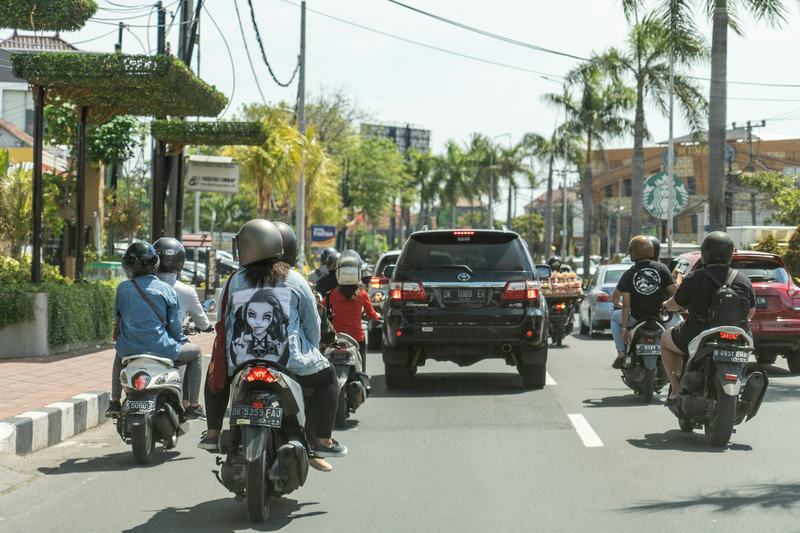
Bali has more than 4.7 million registered vehicles and about 4.4 million people, according to BPS Bali figures reported by detikBali. Trips that took 20 minutes a few years ago now take an hour in Kuta, Canggu, Seminyak, Denpasar and Ubud. There's no mass transit to take the load.
Relief is years away. The province, Badung regency and the state railway company signed for a battery tram on September 1, 2026. The airport-to-Legian section should carry passengers in late 2028, and Canggu gets its stop in 2031. Until then, the practical fix is to live within scooter range of school and work. Our area guide compares drive times.
Source: detikBali and Radar Bali on BPS Bali vehicle data, 2026; Bali Post, September 1 and 22, 2026

Choosing an area?
Gusti Ayu will send a short answer on which area fits your plans, on WhatsApp.
Is Bali safe to live? Crime and the road
Everyday crime here is mostly theft: a bag snatched from a passing scooter, a phone lifted from a café table, a bike broken into. Serious violence against strangers is rare, and when trouble happens it tends to start within a group that knows each other. Ordinary city caution covers most of it.
The road is the bigger risk. Visitors can ride on their home license if they also carry an IDP with the motorcycle category. Residents on a KITAS need a local SIM C. The wrong paperwork means a fine, and worse, it hands your insurer a reason to reject the claim after a crash. A broken leg in a private hospital then comes out of your pocket.
- Phones off roadside café tables
- Park the scooter where there's an attendant, even for a five-minute errand at the pharmacy
- Wear your own helmet with the strap done up
- Ride in shoes, not flip-flops, and skip the first half hour after heavy rain
- Walk away from a road argument, whoever is right
Source: Law 22/2009 on road traffic, Articles 77 and 281; Police Regulation 5/2021 on licenses; Rise Real Bali client experience, 2023–2026
Rabies, dengue and the mosquito question
Rabies is the health risk that matters most, and it's the one newcomers skip. Between January 1 and August 7, 2026, the provincial health office counted 45,365 people bitten by dogs, monkeys and other animals that can carry the virus. Seven died. In 2025 there were 66,760 bites and 16 deaths, and 99% of those who died never went to a clinic. Any bite or scratch that breaks the skin means a wash with soap for 15 minutes and a clinic visit that day.
Dengue is falling. Bali recorded 15,570 cases and 25 deaths in 2024, then 10,391 cases and 14 deaths in 2025. January to July 2026 brought 1,588 cases and two deaths. Malaria is gone. Indonesia's health ministry certified every Bali regency malaria-free by 2014.
- 15,570
- 10,391
- 1,588
Source: Bali Provincial Health Office via ANTARA Bali and Bali Post, January 9 and August 11, 2026; Diskes Bali on 2024 dengue; Indonesian Ministry of Health on malaria elimination
Water, food and the rainy-season beaches
Nobody drinks tap water in Bali, locals included. Homes use 19-liter gallons or a reverse-osmosis filter, and ice at home comes from the same clean water. Warung food is safer than its reputation, since it's cooked in front of you and turns over fast. Trouble tends to come from salads, unknown ice and cheap spirits without an excise stamp.
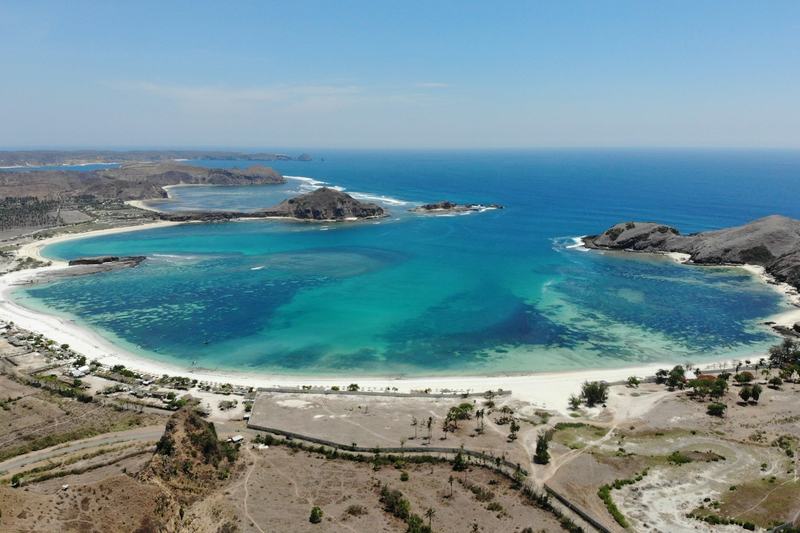
The west monsoon runs from October to April, and it pushes ocean trash onto the west and south beaches. In early February 2026, at the peak, a Badung official put the load at 400–500 tonnes a day. Much of it drifts in from other islands. The east coast around Sanur catches far less, and by March the flow eases.
Source: detikBali, February 4, 2026; Bali Post, February 13, 2026; Rise Real Bali practice
Earthquakes, volcanoes and the power grid
Bali sits in an active seismic zone, and small tremors are routine. The Denpasar geophysics station recorded 547 earthquakes in the region in 2025, and people felt ten of them. The strongest, magnitude 5.4 on April 17, 2025, struck at sea about 300 km south-east of the island. Mount Agung stood at alert Level I, the lowest of four, in August 2026.
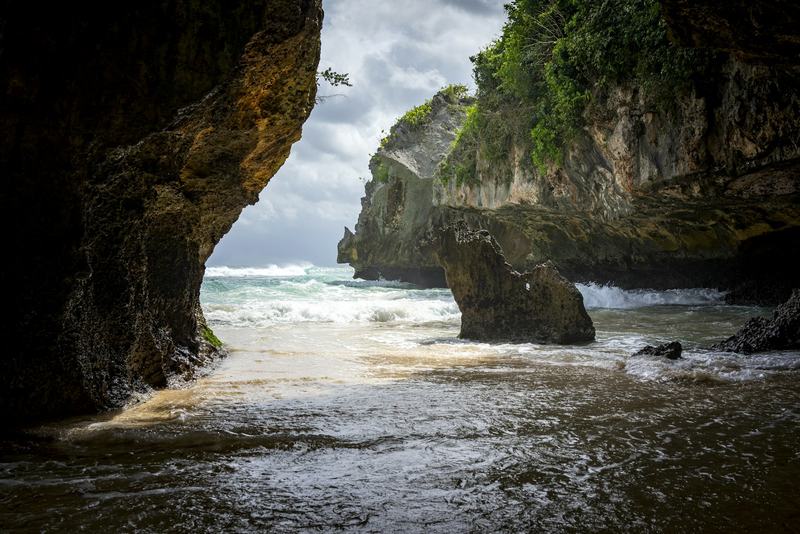
The tsunami warning system now issues an alert within three minutes. Modeling for Tanjung Benoa gives 20–25 minutes before a wave would arrive, so after a long, strong shake on the coast you head uphill without waiting for the siren. The grid fails more often than the ground does. A cable fault in May 2025 left the whole island dark for about 12 hours.
- Ask which seismic code the structure follows (SNI 1726:2019 is current)
- Note the distance to the shore and the nearest high ground
- Keep a power bank, water and a battery backup for the pumps
- Add earthquake cover: a standard property policy excludes it
Source: BBMKG Region III Denpasar via ANTARA, January 4, 2026; BMKG on InaTEWS warning times; BMKG journal modeling for Tanjung Benoa; PVMBG, August 14, 2026; detikBali on the May 2, 2025 blackout; OJK Circular 6/SEOJK.05/2017
Prices are rising, and the rupiah is falling
Bali's annual inflation hit 3.45% in August 2026, the highest in three years and above the national 3.19%. Transport rose 6.98% and food and drink 3.70%. Imported goods and anything priced for tourists move faster than local staples.
For anyone earning in a foreign currency, the weaker rupiah offsets part of that. For local staff, it doesn't. Bali's 2026 minimum wage is Rp 3,207,459 a month, and Badung's is Rp 3,791,002, which sets the floor for what you'll pay a housekeeper or gardener. Our cost of living guide has full household budgets.
Source: BPS Bali, inflation release for August 2026, via Bali Post, September 1, 2026; Governor of Bali decree on 2026 minimum wages, via ANTARA Bali
Paperwork that never ends
Living here means keeping your status current every year, the way you file taxes at home. Overstaying a visa costs Rp 1,000,000 for each day, up to 60 days. Beyond that comes deportation and an entry ban. Bali's immigration offices deported 342 foreigners in the first half of 2026, and working on a tourist visa, even remotely for a foreign employer, is a common reason.
Property has its own rules. Freehold (Hak Milik) stays with Indonesians. Foreign owners hold through leasehold, Hak Pakai or their own PT PMA. Our guides on long-stay visas and what foreigners can own walk through both.
Source: Law 6/2011 on immigration, Article 78, as amended by Law 63/2024; Kompas and ANTARA, July 5, 2026
Your first week, and the risks you can control
Most of the risks above shrink with a few early decisions, and none of them costs much or takes more than an afternoon.
- Set a visa reminder
Put the expiry date in your calendar two weeks ahead.
- Fix the license and the policy
Carry the right license and read the scooter clause in your insurance before the first ride, not after the first fall.
- Get the rabies shots
Especially for children, who get bitten more often and tell adults less.
- Find your clinic before you need it
Save a 24-hour clinic's number.
- Check the house
Screens on windows, no standing water, a backup for the water pump and a way uphill if you're on the coast.
Where this leaves a buyer
None of these downsides rules Bali out. They change where and what you buy. A villa near school and work beats a bigger one across the traffic. On the coast, height above the sea and a sound structure count as much as the view. Browse the catalog by area, or send us a listing and we'll check its location against this list before you pay a deposit.
What this means for buyers
- The road is riskier than crime: ride legally, or insurance may refuse a crash claim.
- Treat every animal bite as urgent. In 2025, 99% of those who died of rabies never went to a clinic.
- Dengue is falling, from 15,570 cases in 2024 to 10,391 in 2025, and there's no malaria.
- Beach trash peaks in January and February on the west and south coasts, less so in the east.
- Visa overstays cost Rp 1 million a day, and 60 days means deportation.
FAQ
Is Bali safe to live in?
By crime standards, yes: most incidents are petty theft. The bigger risks are road accidents, animal bites and visa mistakes. From January 1 to August 7, 2026, the island counted 45,365 bites by rabies-carrying animals and seven deaths.
Is Bali safe for women living alone?
Generally yes, with normal city caution. Don't leave bags unattended, avoid unlit roads alone at night and use ride-hailing apps rather than strangers' scooters. Most serious incidents happen among people who know each other.
What are the biggest downsides of living in Bali?
Traffic, with 4.7 million vehicles for about 4.4 million people, rabies and dengue, rainy-season trash on west-coast beaches, inflation of 3.45% in August 2026 and the yearly visa cycle. Serious medical cases may still mean evacuation.
Is there malaria in Bali?
No. Indonesia's health ministry certified all Bali regencies malaria-free by 2014. Dengue is the mosquito-borne risk, with 10,391 cases in 2025 and 1,588 from January to July 2026.
How often are there earthquakes in Bali?
The region recorded 547 earthquakes in 2025, and people felt ten. The strongest, magnitude 5.4, hit at sea about 300 km away. Tremors are routine, and a standard property policy excludes earthquake damage, so owners buy the add-on.
What happens if you overstay a visa in Bali?
You pay Rp 1,000,000 for each day, up to 60 days. Past that, immigration deports you and bans re-entry, which happened to 342 foreigners in Bali in the first half of 2026.
How we know this
We built this list from official statistics with dates: the provincial health office for rabies and dengue, BPS Bali for inflation and vehicles, the Denpasar geophysics station and BMKG for earthquakes and tsunami warnings, PVMBG for volcano alerts, and immigration for deportations. Crime isn't given as a percentage, because the police figures published in 2026 measure different things over different periods and don't combine into one trend. The earthquake premium is our own calculation at the regulator's reference rate, not an insurer's quote. Safety advice reflects our clients' experience since 2023 and isn't medical or legal advice. Volcano alert levels change, so check PVMBG on the day.
- Bali Provincial Health Office, rabies and dengue statistics, via ANTARA Bali and Bali Post, January and August 2026
- BPS Bali, inflation for August 2026, via Bali Post, September 1, 2026
- BBMKG Region III Denpasar, 2025 earthquake summary, via ANTARA, January 4, 2026
- BMKG, InaTEWS warning times; PVMBG, Mount Agung status, August 14, 2026
- Directorate General of Immigration, deportations in the first half of 2026, via Kompas, July 5, 2026
- detikBali, Badung beach trash, February 4, 2026
- OJK Circular 6/SEOJK.05/2017 on property insurance rates
By Dmitrii Rogov, Rise Real Bali.
Rise Real Bali is a real estate agency in Bali. We write from the deals we handle and from public data, and we name our sources.
This report is published under the CC BY 4.0 license. You may quote, republish and use the figures and text commercially if you credit "Rise Real Bali", name the license and link to this page. Photos and renderings are not covered by the license: their rights belong to the developers and other rights holders.
Share
WhatsApp