What a banjar actually is
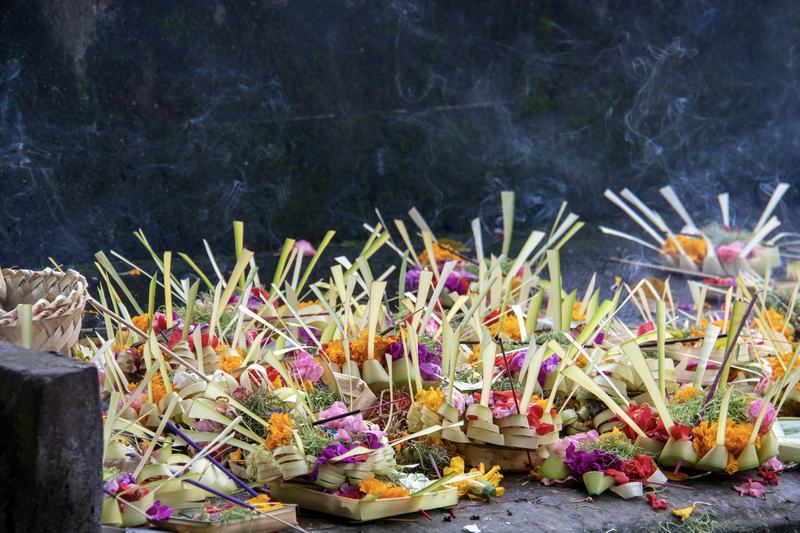
A banjar is Bali's grassroots neighborhood association, a few dozen to a few hundred households organized around a shared temple and a shared ceremonial calendar. It isn't a government body in the way a city council is, but it's the entity that actually runs the street your villa stands on: security, road access, waste collection, and every ceremony that closes that road for an afternoon.
You don't formally join a banjar by buying or renting there. You do pay for what it provides on your section of street, and you live inside its unwritten rules whether you signed anything or not.
Source: Bali Expat Housing, banjar fees for long-term renters, 2026
What you actually pay
The amount tracks the neighborhood, not your visa status or how long you've been there. Quiet villages, Sanur, Ubud's outer edges, the east coast, sit at the low end. Dense expat corridors, Canggu, Berawa, Pererenan and Umalas, run higher, and some banjars in those areas have set a formal rate specifically for foreign-occupied villas.
Beyond the monthly figure, a banjar sometimes asks for a one-off contribution toward a specific ceremony or a shared project like resurfacing a lane. Those amounts aren't fixed by rule; they're discussed, and paying them is closer to good neighborliness than an obligation.
| Area type | Monthly dues |
|---|---|
| Quiet villages (Sanur, outer Ubud, east coast) | Rp 50,000–150,000 |
| Dense expat areas (Canggu, Berawa, Pererenan, Umalas) | Rp 150,000–300,000 |
| One-off ceremony contribution | Rp 100,000–500,000 |
Source: Bali Expat Housing, 2026; corroborated by Bali Home Immo, villa expense breakdown, 2026

Choosing an area?
Gusti Ayu will send a short answer on which area fits your plans, on WhatsApp.
What the dues actually fund
The fee isn't a vague toll for living there. It covers the banjar's own security patrols, known as pecalang, coordinated rubbish collection, upkeep of the shared road and local infrastructure, and the logistics of ceremonies, including the road closures that come with them.
In a city, a property manager handles a version of this. In a village, the banjar does, on its own schedule and by its own rules.
Source: Bali Expat Housing, 2026
Who actually pays: put it in the contract, not in conversation
Three arrangements show up in practice. Most often, on a year-long rental, the tenant pays directly, gets introduced to the banjar's representatives, and pays monthly or quarterly. Sometimes the owner folds the fee into the rent, which is administratively simpler but worth confirming actually reaches the banjar rather than sitting with the owner. A third pattern splits it: the owner covers the base monthly due, the tenant covers ceremony contributions as they come up.
None of these is wrong. What's wrong is leaving it unspoken. Put one line in the contract naming who pays, before move-in, not after the first invoice creates a disagreement.
Worth doing
- ask the owner to introduce you to the kelian banjar in the first weeks
- pay on time, and in person when you can
- keep receipts; most banjars issue them
- block out time before Nyepi, when the island stops, airport included
Worth avoiding
- arguing with a banjar representative at the gate; route disputes through your owner or manager
- ignoring a posted road closure for a ceremony
- paying large sums in cash with no receipt
- leaving "who pays the banjar" as a verbal understanding, with nothing in the contract
Source: Bali Expat Housing, 2026; Rise Real Bali long-term rental support practice
Foreign owners usually get more slack, not less
In practice, banjars ask foreign renters and owners for ceremonial contributions less often than they ask Balinese households next door. It's a courtesy, not a rule, and it cuts the other way if you're careless about it.
Paying on time and respecting ceremony logistics builds a reputation that pays off later: banjars remember an easy neighbor, and that goodwill tends to show up as help with everyday problems and, occasionally, as flexibility in an unexpected situation.
Source: Bali Expat Housing, 2026
Nyepi: the one day the banjar runs everything
Once a year, the banjar gets authority it doesn't have on any other day: enforcing Nyepi, Bali's Day of Silence. In 2026 it falls on March 19, from 6 a.m. that day to 6 a.m. the next, a full 24 hours.
Four rules apply: no fire or light, including electricity; no working; no traveling; no entertainment. Ngurah Rai Airport shuts down completely for the day; no flight lands or leaves. Around the clock, pecalang patrol the streets and turn back anyone outside without a genuine reason. The evening before, Ogoh-ogoh parades carry demon effigies up to 10 meters tall, burned at the end of the night. Stock up on groceries and charge every device ahead of time. On the day itself, shops, delivery and even your villa's electricity are effectively off-limits.
Source: Ocean Earth Travels, Nyepi Bali 2026 guide, 2026
Your first weeks after taking possession
Relationships with a banjar form in the first month, and they're harder to build after the fact. A handful of simple steps prevents most misunderstandings.
Do in the first weeks
- ask the owner or manager to introduce you to the kelian banjar
- confirm the exact due amount and schedule, and get it in writing after the conversation
- ask what ceremonies are coming up and which roads they'll close
- save a contact number for emergencies
Avoid
- mistaking a banjar representative's first visit for a random passerby
- haggling over the amount before you understand what it covers
- noise or parking during a ceremony you already knew about
- taking a neighbor dispute straight to the banjar instead of routing it through your owner
Source: Rise Real Bali long-term rental support practice
What this means for buyers
- Budget Rp 50,000–300,000 a month for banjar dues, depending on the area, plus Rp 100,000–500,000 for occasional ceremony contributions.
- Dues fund real services: security patrols (pecalang), rubbish collection, road upkeep and ceremony logistics.
- Name who pays the banjar, owner or tenant, in the contract itself, not in a verbal understanding.
- Block out Nyepi in your calendar every year: 24 hours of island-wide shutdown, airport included.
FAQ
Do foreign owners have to pay the banjar?
There's no legal requirement, since a banjar isn't a government body, but it's standard practice. An owner or long-term tenant almost always pays a monthly due for the security, road and waste services the banjar provides on that street.
How much is the monthly banjar fee in Bali?
From about Rp 50,000 in quiet areas like Sanur and outer Ubud up to Rp 300,000 in dense expat zones like Canggu, Berawa, Pererenan and Umalas. Ceremony contributions come separately, Rp 100,000–500,000 as they arise.
Who pays the banjar, the owner or the tenant?
There's no fixed rule; all three patterns appear in practice: tenant pays directly, owner folds it into rent, or the two split base dues from ceremony contributions. What matters is naming it in the rental or sale contract before move-in.
What happens if you ignore the banjar?
Nothing formal, but it damages the relationship that smooths over everyday problems. Ignoring dues, road closures or a first introduction reads as disrespect and can cost you goodwill you'd otherwise have during ceremonies, disputes or an emergency.
What is Nyepi and does it affect villa owners?
Bali's Day of Silence, enforced island-wide by pecalang patrols: no fire or light, no work, no travel, no entertainment, for 24 hours. In 2026 it runs from 6 a.m. March 19 to 6 a.m. March 20. The airport closes fully, and shops and deliveries stop for the day.
How we know this
Dues and practice come from Bali Expat Housing's breakdown for long-term renters, 2026, cross-checked against Bali Home Immo's villa expense guide. There's no official banjar fee schedule anywhere in Bali; each banjar sets its own rate, so the figures here are a practical range by area type, not a tariff. Nyepi dates and rules follow Ocean Earth Travels' 2026 guide. Every figure here is in rupiah; a banjar deals only in rupiah, never a foreign currency.
- Bali Expat Housing — Banjar Fees in Bali: What Long-Term Renters Actually Pay, 2026
- Bali Home Immo — Villa Expenses in Bali Rental, 2026
- Ocean Earth Travels — Nyepi Bali 2026: Day of Silence Guide, 2026
By Dmitrii Rogov, Rise Real Bali.
Rise Real Bali is a real estate agency in Bali. We write from the deals we handle and from public data, and we name our sources.
This report is published under the CC BY 4.0 license. You may quote, republish and use the figures and text commercially if you credit "Rise Real Bali", name the license and link to this page. Photos and renderings are not covered by the license: their rights belong to the developers and other rights holders.
Share
WhatsApp