

kleine-gefriertruhe-test9523
kleine-gefriertruhe-test9523
10 Things Your Competitors Inform You About Small Freezer
The Ultimate Guide to Small Freezers: Maximizing Space and Keeping Food Fresh
When it concerns modern living, space typically comes at a premium. For those residing in apartment or condos or homes with restricted kitchen area space, a small freezer can be a game-changer. This convenient home appliance provides convenience and the capability to save cash by buying wholesale, while making sure that your favorite foods stay fresh longer. In this extensive guide, we will check out the advantages of small freezers, what to search for when buying one, and ideas for optimizing your storage capabilities.
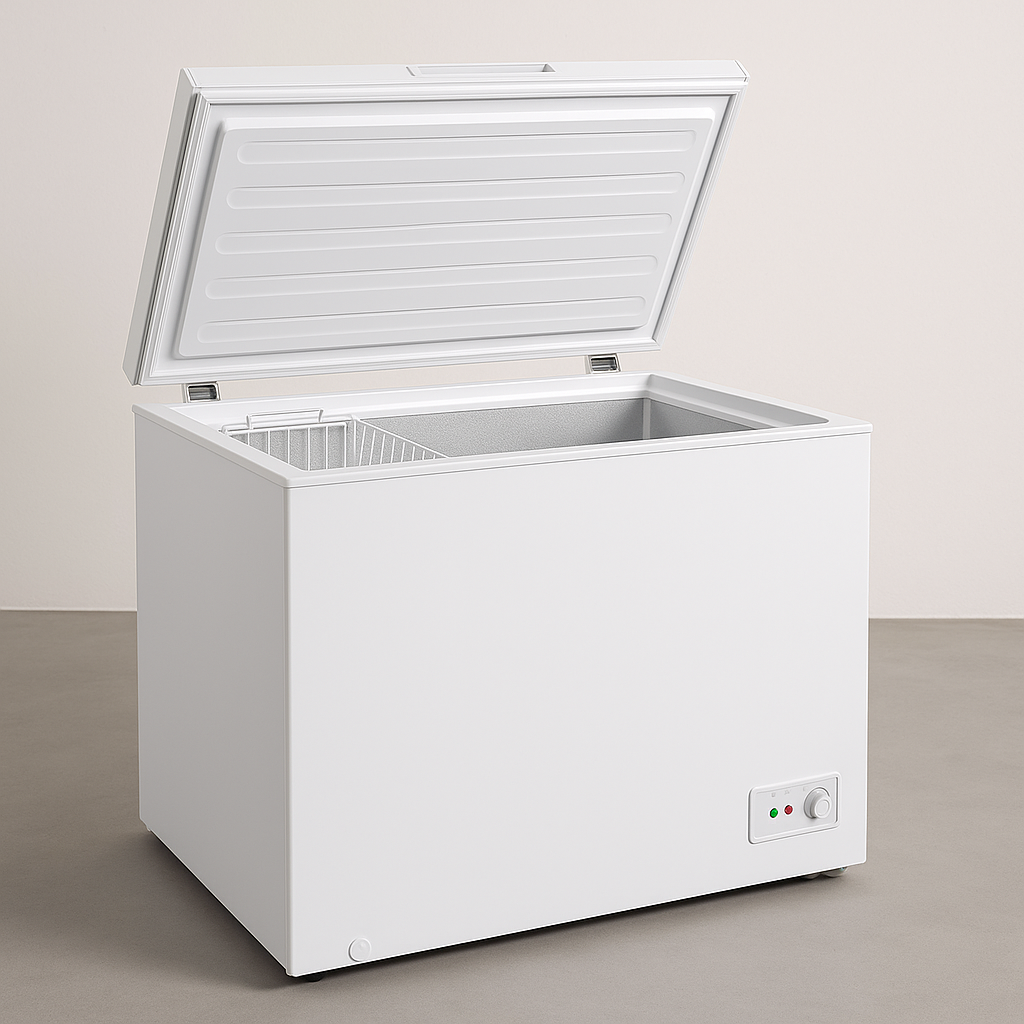
Advantages of Small Freezers
Small freezers come with a host of benefits. Below are a few of the main advantages:
| Benefit | Description |
|---|---|
| Space-Saving | Small freezers can quickly fit into tight spaces, such as under counter tops or in closets. These compact units are perfect for small kitchens. |
| Cost | Typically, smaller sized freezers are less pricey than their larger equivalents, both in regards to purchase price and energy usage. |
| Food Preservation | They supply an outstanding method to protect food, permitting you to store leftovers, bulk purchases, or seasonal vegetables and fruits for later usage. |
| Lowering Food Waste | By freezing excess food, individuals can lower putridity and waste. Freezers extend the life of items that might otherwise go leftover. |
| Quick Access | Having a small freezer permits you to organize and gain access to frozen items quickly, which can conserve time during meal preparation. |
Selecting the Right Small Freezer
When thinking about the purchase of a small freezer, several elements need to be considered. The following table supplies insights into these elements:
| Feature | Factor to consider |
|---|---|
| Capacity | Examine just how much storage you need. Options usually vary from 3 to 8 cubic feet. |
| Type | Choose between chest freezers, upright freezers, or drawer-style models based on your requirements. |
| Energy Efficiency | Look for designs with an Energy Star ranking, which can conserve you cash on electrical expenses in the long run. |
| Temperature Control | A trusted temperature level control mechanism guarantees food stays frozen at safe levels (-0 ° F or lower). |
| Sound Level | Think about the noise level; some designs operate more quietly than others. |
| Mobility | If movement is essential, consider models with wheels or lighter building for easy maneuvering. |
Types of Small Freezers
-
Upright Freezers: Tall and slim, these models resemble a standard refrigerator and often come with shelves, making organization easy.
-
Chest Freezers: These are wide and low, providing sufficient storage space and typically coming with an energy-efficient design.
-
Drawer Freezers: These increase accessibility as they permit moving drawers, making it simpler to store items without digging through.
Tips for Organizing Your Small Freezer
Keeping an arranged freezer can enhance efficiency and make meal preparation easier. Here are some reliable techniques:
-
Label and Date: Always label containers and bags with contents and freeze dates to track what is readily available and how long it has been frozen.
-
Usage Clear Containers: Opt for clear storage bins to rapidly see what you have available, helping to avoid the purchase of replicate items.
-
FIFO Method: Follow the First-In, First-Out (FIFO) approach by positioning recently frozen products behind older ones to ensure you utilize older foods first.
-
Classify: Group similar products together, such as meats, fruits, veggies, and ready meals. This makes discovering what you need quicker and simpler.
-
Vacuum Seal: Use a vacuum sealant for long-term storage to protect against freezer burn and maintain taste and texture.
FAQs About Small Freezers
1. Just how much electrical energy does a small freezer usage?
- The energy usage differs by design and usage frequency, however usually, a small freezer can use between 200 to 500 kWh annually. Selecting an Energy Star-rated model can considerably reduce this number.
2. What should I keep in my small freezer?
- Suitable items to keep consist of meats, fruits, vegetables, leftovers, bread, and prepared meals. Avoid storing products that must remain refrigerated, like dairy items.
3. The length of time can food be saved in a freezer without losing quality?
- Different foods have varying freezer life expectancy. Here’s a basic guide:
- Meat: 6 to 12 months (beef lasts longer than poultry)
- Vegetables: 8 to 12 months
- Fruits: 3 to 12 months
- Leftovers: 2 to 6 months
4. How can I avoid freezer burn?
- Freezer burn happens when air enters contact with food. To prevent it, ensure food is kept in airtight containers or vacuum-sealed bags. Keep the freezer at a consistent temperature level of 0 ° F or lower.
5. Can I put a small freezer in the garage or basement?
- Yes, however ensure the area is temperature-regulated. Severe temperatures can make the freezer work harder and decrease efficiency.
A small freezer is a vital addition to any home, particularly for people or families looking for efficient food storage services. By understanding the advantages, picking the ideal design, organizing efficiently, and utilizing it sensibly, homeowners can enjoy long-lasting food preservation and benefit. Whether you’re meal prepping or maintaining seasonal fruit and vegetables, small freezers make it possible to decrease waste and EinbauküHlschrank No Frost optimize resources— all while fitting perfectly into your offered area.


