

guttering-professionals7488
guttering-professionals7488
It’s Time To Expand Your Top Guttering Options
The Essential Guide to Top Guttering: Choosing the Right System for Your Home
Guttering plays an important role in any building structure, directing rainwater away from the roof and structure, thus preventing possible water damage. With numerous types and designs offered on the marketplace, it can be frustrating for property owners or contractors to ascertain which guttering system is best suited for their specific requirements. This article will look into the various guttering choices, their benefits, installation considerations, and maintenance suggestions to make sure durability.
Comprehending Guttering: A Critical Home Component
Guttering is generally located along the eaves of the roof and is an essential component of a home’s drainage system. It is developed to record rainwater and guide it into downspouts, which carry the water away from the foundation of the home. Neglecting gutter maintenance can result in considerable repairs with time.
Typical Guttering Materials
-
Aluminum:
- Lightweight and rust-resistant
- Can be painted to match house color
- Available in seamless options to reduce leakages
-
Vinyl:
- Affordable and light-weight
- Rust resistant
- Restricted color alternatives and might end up being fragile in extreme weather condition
-
Steel:
- Extremely resilient and long-lasting
- Resistant to damage
- Requires routine painting to prevent rust
-
Copper:
- Highly resilient and aesthetically pleasing
- Develops an unique patina gradually
- Pricey and difficult to install
-
Zinc:
- Highly resistant to corrosion
- Can last 80 years or more
- Typically requires professional installation
Different Types of Guttering Systems
| Type | Description | Pros | Cons |
|---|---|---|---|
| K-Style | Flat bottom with rounded edges | Supports more weight, provides different sizes | Can retain debris in corners |
| Half-round | U-shaped design | Visual appeal, simple to clean | Less capability, can be more pricey |
| Box gutters | Frequently internal, built into roofs | Large capability, can fit older homes | More complex installation |
| Continuous | Seamless guttering solutions | Fewer joints and less dripping | Needs customized equipment for installation |
The Benefits of Proper Guttering
A well-designed guttering system offers various benefits:
- Water Damage Prevention: Diverts water far from the roof and structure, lowering the danger of leakages, mold, and rotting wood.
- Structure Protection: Prevents soil erosion and keeps the ground around the foundation stable.
- Bug Control: Deters the formation of pools of standing water that draw in insects like mosquitoes.
- Increased Property Value: Functional and visually pleasing guttering enhances the overall look of a residential or commercial property, making it more attractive to potential buyers.
Installation Considerations
When choosing a guttering system, consider the following factors:
-
Climate:
- Heavy rainfall or snow may need a robust gutter system with bigger capability.
-
Roof Configuration:
- Complex roof styles may require custom-fit gutters.
-
Aesthetic appeals:
- Choose colors and styles that complement your home’s architecture.
-
Budget:
- Factor in the initial expense and long-lasting maintenance needs.
-
DIY vs. Professional Installation:
- Skilled homeowners might go with DIY installation, but intricate systems or hard-to-reach locations might be much better matched for professionals.
Maintenance Tips for Longevity
To make sure that guttering systems function optimally, routine maintenance is essential. Here are key maintenance jobs every house owner should think about:
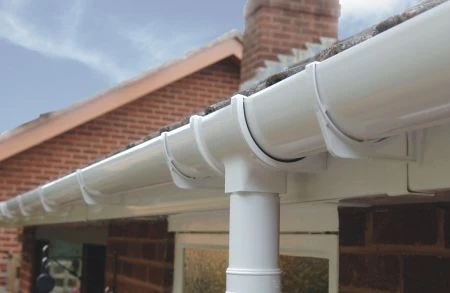
- Regular Cleaning: Clear out leaves, dirt, and debris at least two times a year to avoid clogs.
- Examine for Leaks: Inspect item seams and fittings for leakages or indications of wear.
- Guarantee Proper Slope: Gutters should be graded at the right slope for reliable water drainage.
- Seasonal Inspections: After heavy storms or snowmelt, look for any damage or sagging.
- Consider Gutter Guards: Installing guards can minimize particles accumulation and reduce cleaning requirements.
FAQs about Guttering
Q1: How typically should I clean my gutters?
- A1: It is typically advised to clean gutters a minimum of twice a year, generally in the spring and fall.
Q2: What can happen if I overlook gutter maintenance?
- A2: Neglecting gutter maintenance can lead to extreme water damage, mold growth, and expensive repairs.
Q3: How long do gutter systems typically last?
- A3: Gutter life span varies with product: vinyl (20 years), aluminum (30 years), steel (20 years, with maintenance), and copper (over 50 years).
Q4: Can I set up gutters myself?
- A4: While experienced DIYers can set up gutters, factors like height, complexity, and local building codes may warrant contacting a professional.
Q5: What are gutter guards, and do I need them?
- A5: Gutter guards are protective covers set up over gutters to avoid particles accumulation. They can decrease maintenance demands but may not be essential for all homes.
Picking the right guttering system is a crucial choice for any property owner. By comprehending the various kinds of materials, systems, and installation factors to consider, people can make educated options that improve their home’s protection versus water damage. Appropriate maintenance guarantees that gutter systems stay effective, preventing substantial issues gradually. By embracing a proactive approach, one can take pleasure in the benefits of a well-functioning gutter system for several years to come.


